Chalk Farm Road removals advice for narrow streets
Posted on 16/07/2026
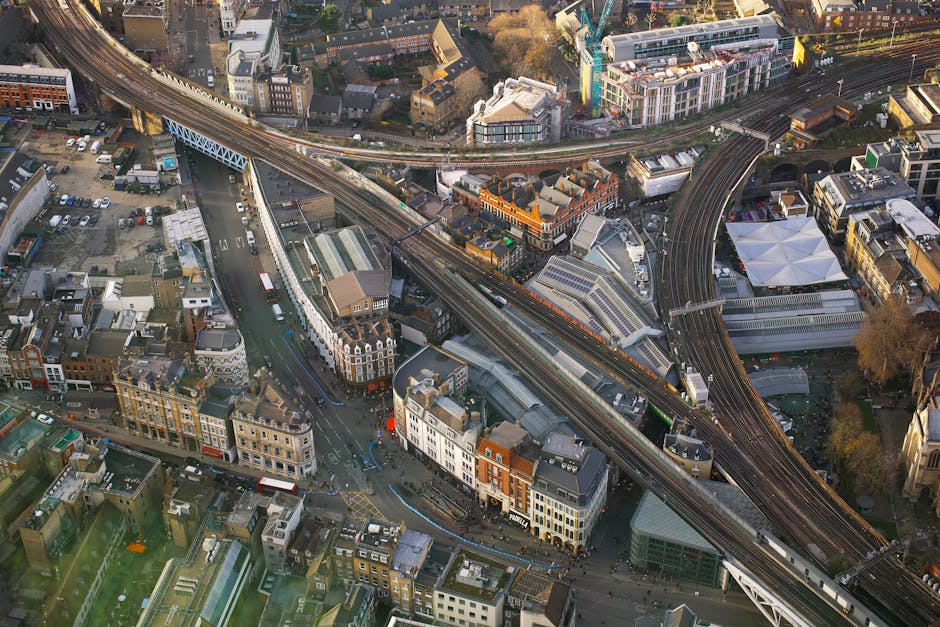
If you are moving on Chalk Farm Road, you already know the main challenge is not the boxes. It is the street itself. Tight kerbs, parked cars, passing traffic, awkward turns, and the sort of pavement pinch points that make a simple move feel suddenly complicated. The good news? With the right planning, Chalk Farm Road removals advice for narrow streets can turn a stressful day into a controlled, well-timed job.
This guide is written for real London moves, where access matters as much as muscle. You will find practical steps for narrow-road loading, vehicle choice, packing, timing, and the little details that tend to trip people up. We will also cover when to book help, how to reduce carry distance, and how to avoid the classic "we thought the van could stop there" moment. Let's face it, that moment rarely ends well.
Why Chalk Farm Road removals advice for narrow streets Matters
Chalk Farm Road sits in a part of Camden where movement is constant. You get pedestrians, buses, cyclists, delivery vehicles, and a lot of street furniture competing for the same bit of space. In that setting, a removal is not just about getting a van outside the property. It is about managing access safely and efficiently while keeping disruption low.
That matters for a few practical reasons. First, narrow streets can make lifting longer and harder, which increases the risk of damage to furniture, walls, floors, and door frames. Second, poor parking choices can waste time, which usually means more labour and more frustration. Third, if you block the road or leave the vehicle in a bad position, you may create avoidable tension with neighbours or passing traffic. Nobody wants a moving day that starts with a horn blast and a frustrated driver.
There is also the simple reality that London street conditions change fast. A road that looks manageable at 8:00 a.m. can be much more awkward by late morning when residents are out, deliveries are in motion, and parking is tighter. So yes, local knowledge really does help. If you are comparing support options, it can be useful to look at broader removals in Camden and decide which level of service fits your street layout best.
Key point: narrow streets do not automatically make a move difficult, but they do punish poor planning. The closer your preparation matches the street conditions, the smoother the day will feel.
How Chalk Farm Road removals advice for narrow streets Works
The basic idea is simple: reduce uncertainty before moving day. In practice, that means studying access, picking the right vehicle, shortening carrying distances, and organising the load so the team can work without constant stop-start delays.
A good narrow-street move usually follows a sequence like this:
- Check the access outside both addresses. Measure, observe parking patterns, and note any bends, raised kerbs, bollards, or dropped kerbs.
- Choose a vehicle that suits the street. In some cases a smaller van is far more practical than a large truck that cannot park cleanly.
- Prepare the property internally. Keep hallways clear, protect corners, and stage boxes near the exit to reduce back-and-forth.
- Schedule the move for a quieter time. Early starts often help on busy roads, though this depends on building access and local conditions.
- Keep the load process disciplined. Heavy or awkward items go first, fragile items last, and nothing should be "just shoved in".
In removals work, the phrase "short carry" comes up a lot. It simply means the distance between the property door and the van. On a narrow road, that distance can become the whole game. The shorter the carry, the lower the risk of slips, collisions, and tired hands dropping a corner. It sounds obvious. It is obvious. Still, people forget it all the time.
If you are moving a flat, the access puzzle is often even tighter. Stairs, shared entrances, and no dedicated loading bay can all add pressure. For that sort of move, flat removals in Camden are usually best planned around access, not volume alone.
Key Benefits and Practical Advantages
The biggest benefit of proper narrow-street planning is control. When the street is tight, every minute of preparation saves you effort later. That control shows up in a few very real ways.
- Less chance of damage: furniture is easier to handle when you are not squeezing it around parked cars and tight corners.
- Faster loading and unloading: shorter carry distances and better staging keep the team moving.
- Lower stress: you know where the van can stop, how long the route will take, and which items need extra care.
- Better safety: fewer rushed lifts and fewer last-minute manoeuvres reduce the risk of injury.
- Cleaner communication with neighbours and building managers: a planned move is much easier to explain than a chaotic one.
There is also a commercial benefit. If a removals provider understands narrow streets properly, the quote is usually more realistic and the move more efficient. That does not always mean cheaper in every case, but it often means better value. If you want to compare service levels, you can review the available services overview and decide whether a small-vehicle approach, a full house move, or a mixed solution makes sense.
For people with bulky items, this becomes even more important. A piano, for example, is not something you want to wrestle around a parked car in the rain at 7:30 a.m. If that sounds familiar, specialist support like piano removals in Camden may be the safer route.
Who This Is For and When It Makes Sense
This advice is useful for more people than you might think. It is not only for huge family houses or high-end relocations. In fact, narrow-street strategy matters most on ordinary London moves where the street space is limited and the property access is a bit awkward.
You will benefit especially if you are:
- moving from a flat above a shop or cafe
- relocating on a road with limited parking or frequent delivery traffic
- moving furniture that is heavy, fragile, or unusually long
- trying to move on a weekend when the road is busier than expected
- working to a building timetable or lift booking window
- coordinating a student move, where timing and budget both matter
Students often underestimate the access issue, truth be told. A few suitcases and boxes can still take longer than expected if the van cannot stop nearby. If that is your situation, student removals in Camden can be a practical fit, particularly when everything needs to happen quickly and neatly.
Small business owners moving desks, monitors, and archive boxes also need this advice. Office moves are usually about momentum. If that momentum keeps getting interrupted by narrow-road logistics, the whole day drags. For that reason, office removals Camden often benefit from a more carefully staged plan than people expect.
Step-by-Step Guidance
Here is the practical version. No fluff, no fantasy route-planning. Just the steps that actually help.
1. Inspect the road before moving day
Walk the road at the same time of day you plan to move if you can. Look for parked cars, corners, bins, loading restrictions, school-run traffic, and anything that narrows the usable width. A street can feel easy on a quiet evening and far tighter during the morning rush.
2. Measure the trickiest items
Do not only measure doorways. Measure long furniture pieces, mattresses, headboards, wardrobes, and anything with an odd shape. You want to know whether an item can be turned safely in the hallway or whether it needs to be dismantled first. A few minutes with a tape measure can save a lot of sideways shuffling later.
3. Decide the right vehicle size
Smaller is not always weaker. On narrow roads, a more compact vehicle can be the smarter choice because it is easier to position and less likely to block the street. A larger van may carry more in one go, but if it cannot stop sensibly, you lose the advantage. If you are not sure what fits best, a dedicated man with a van in Camden arrangement is often a solid middle ground for access-limited streets.
4. Pack for the carry, not just for the box
Boxes should be sturdy, clearly labelled, and not overfilled. Narrow streets mean more carrying, turning, and repositioning, so badly packed boxes tend to fail at the worst moment. Keep heavier items low and distribute weight evenly. If a box feels awkward in your hands before the move starts, it will feel worse on a staircase.
5. Create a staging zone inside
Keep one room or one area dedicated to outbound items. That reduces hallway congestion and helps the loading team work in a steady rhythm. It also makes it much easier to check whether everything has gone into the van. Small thing. Big difference.
6. Use smart unloading discipline
At the new property, unload in the reverse order of priority. Essentials first, fragile items carefully, then larger furniture. If the street is narrow at the destination too, do not be tempted to dump everything at the front door and sort it out later. That usually just creates a pile-up and a headache.
7. Build in a buffer
Always allow more time than the straightforward estimate. Traffic changes, parking changes, and doors never open quite as smoothly as you hope. A time buffer is not pessimism. It is good planning.
Expert Tips for Better Results
These are the habits that separate a tidy move from a messy one.
- Use the lightest route inside the property. The shortest route is not always the safest if it includes stairs, tight turns, or soft flooring.
- Protect corners early. Door frames and wall edges are usually hit by accident, not force. Simple padding helps more than people think.
- Keep one person on street watch. On narrow roads, someone should always be aware of cyclists, passing cars, and pedestrians approaching the van area.
- Dismantle awkward furniture before it becomes an argument. Bed frames and large wardrobes are far easier to handle in pieces.
- Label by room and priority. "Kitchen - first use" is much better than "misc".
- Have tea, water, and a charger handy. It sounds minor, but on a long move a warm drink and a charged phone can keep everyone calmer. Bit of a lifesaver, actually.
Another useful tip is to keep your paperwork, keys, and essential documents in one clearly marked bag. People lose these things during the final ten minutes, which is exactly when nobody has time to look. It happens more often than you would think.
If you are thinking beyond the move itself and want the right support package, a full removal services Camden option can bundle packing, transport, and handling in one place. That can be worth it when the street access is the main obstacle.
Common Mistakes to Avoid
Most narrow-street moving problems are predictable. That is the annoying part. The good news is you can avoid many of them without doing anything dramatic.
- Assuming the van will fit anywhere. It may fit physically and still be a poor stop for loading.
- Leaving packing until the last minute. Rushed packing leads to weak boxes and chaotic carry routes.
- Ignoring parking patterns. Even a road that looks empty now can fill up fast.
- Not measuring large items. Guessing rarely helps. Usually it just wastes time.
- Forgetting to protect the property. Scrapes on white walls show up immediately, especially in daylight.
- Trying to move too much in one go. Sometimes smaller loads and a smarter sequence beat brute force.
One of the biggest mistakes is underestimating how tiring a short carry can be when it is repeated twenty times. The first trip feels fine. The tenth one feels longer, colder, and somehow more awkward. That is where planning pays off.
If you need storage because access is restricted at one end of the move, planning ahead matters even more. A temporary pause can be much easier than trying to force everything through a narrow timetable. In that situation, the right storage option can reduce pressure, though the specific area page placeholder should obviously be treated carefully when planning on the website side.
Tools, Resources and Recommendations
You do not need fancy equipment to manage a narrow-street move, but a few basic tools make the day smoother.
| Tool or item | Why it helps | Best used for |
|---|---|---|
| Furniture blankets | Protects surfaces from knocks and rubbing | Wardrobes, tables, sideboards |
| Straps and trolleys | Reduces lifting strain and improves control | Heavy boxes, appliances, stacked items |
| Labels and marker pens | Keeps the unload organised | Room sorting and priority marking |
| Floor and corner protection | Limits damage in tight hallways | Flats, maisonettes, shared entrances |
| Clear plastic bags for essentials | Useful for documents, chargers, and toiletries | First-night survival kit |
For packing support, a well-prepared packing and boxes service in Camden can be extremely helpful if you are short on time or unsure which materials are worth buying. And if the move involves bulky furniture that needs extra handling, furniture removals Camden is worth considering before you start trying to angle a sofa through a narrow gap yourself.
Budget matters too, of course. If you want to understand what influences pricing, it helps to compare service scope, vehicle size, access difficulty, and the amount of manual handling involved. A clear pricing and quotes page is useful at the research stage, while competitive prices can help set expectations without making assumptions.
Law, Compliance, Standards, or Best Practice
For street-side removals in London, you should always treat access and safety as the starting point. Exact parking arrangements can vary by location and time of day, so it is wise to check local restrictions, consider building rules, and avoid making assumptions about stopping space. If a loading bay, permit, or time restriction is relevant, plan around it rather than hoping it will work itself out. It usually does not.
From a best-practice perspective, a good removals team should manage risk sensibly: safe lifting, careful vehicle positioning, clear communication, and proper protection of property. If a job feels rushed or unsafe, slow it down. That is not overcautious; it is sensible professional practice.
Insurance is also worth thinking about in practical terms. Accidents are not the norm, but tight streets increase the chance of minor knocks. Before moving day, it is sensible to understand what is covered, what is excluded, and how claims or complaints are handled if something goes wrong. It is a boring step, but a useful one. You may also want to review insurance and safety information alongside the company's health and safety policy and terms and conditions.
If you are comparing providers, the quality of communication matters as much as the vehicle. A reliable company should be able to explain how it handles access issues, narrow roads, waiting time, and changeable conditions without overpromising. That transparency is usually a good sign.
Options, Methods, or Comparison Table
Different move setups work better depending on how narrow the street is and how much you need to move. Here is a simple comparison.
| Approach | Best for | Pros | Trade-offs |
|---|---|---|---|
| Small van and short carry | Tight roads with limited stopping space | Easier to park, easier to manoeuvre | May need more trips |
| Man and van service | One-bedroom moves, partial loads, flexible access | Simple, adaptable, practical in busy streets | Capacity is more limited than a large lorry |
| Full removal team | Family homes, heavy furniture, complex access | More labour, faster loading, better for bulky items | Higher cost and more planning needed |
| Split move with storage | Staggered access or temporary space issues | Reduces pressure on moving day | Requires extra coordination |
If your move is small and access is awkward, a flexible man and van Camden service or man and a van Camden setup can often be a very sensible choice. If the move is larger, a more structured house removals Camden service may be the safer fit. Not every street needs the same answer, and that is fine.

Case Study or Real-World Example
Here is a realistic example based on the kind of move people often face around Chalk Farm Road.
A couple moved from a first-floor flat into a nearby home, with the van needing to stop on a narrow stretch where parking was already tight. The route between the front door and the vehicle looked short on paper, but in practice there were bins, pedestrians, and a car parked a little too close to the kerb. The move became much easier once the team changed the plan: small items were staged in the hall, the larger wardrobe was dismantled before loading, and one person stayed near the van to watch for traffic while the other managed the carry flow.
The result was not magic. It was simply better sequencing. The team spent less time deciding what to do next and more time actually moving things. That is the secret most of the time. The job got done without drama, and the couple still had enough energy left to make tea and find the kettle first. Small victory, but a real one.
This sort of move is exactly why narrow-street planning works so well. It reduces the number of decisions you have to make while carrying something heavy. And when you are holding a mattress, a decision-free moment is lovely.
Practical Checklist
Use this checklist a day or two before the move.
- Confirm the moving date and time window.
- Walk the street and note parking pinch points.
- Measure the largest furniture and appliances.
- Decide whether a smaller van is more suitable.
- Pack sturdy boxes and label them by room.
- Separate essentials for the first 24 hours.
- Protect corners, floors, and door frames.
- Keep pathways inside the property clear.
- Plan the loading order for awkward items first.
- Keep keys, documents, and chargers in one easy-to-grab bag.
- Check insurance, terms, and safety arrangements in advance.
- Allow extra time for traffic, parking, and last-minute changes.
Expert summary: the best Chalk Farm Road move is the one that respects the street. If you match the vehicle, packing, and timing to the actual access conditions, the day becomes much calmer. That is the whole trick, really.
Get a free quote today and see how much you can save.
Conclusion
Chalk Farm Road removals advice for narrow streets comes down to one thing: plan for the road you actually have, not the road you wish you had. Narrow streets are manageable when you reduce the carry distance, choose the right vehicle, pack properly, and stay realistic about timing. They become a problem only when people improvise too much.
If you are moving a flat, a house, or a small business space, the practical steps in this guide should help you avoid the usual friction points. Check the access, stage the items, protect the property, and keep communication clear. Nothing fancy. Just steady, careful work.
And if the road looks a bit tight, that is not a bad omen. It is just a signal to plan well. Honestly, that is half the battle in London.
![Professional Movers Services at Unbeatable Prices in [LOGO_TITLE]](../../pub/actonmovers-banner.png)